
The Role of Luck in Gambling
Luck is often celebrated as a significant force in the gambling world, shaping the experiences of players in various games. In many casino games, especially those that are heavily reliant on chance like slots and roulette, the outcomes are entirely unpredictable. Players find themselves at the mercy of fate, where each spin of the wheel or pull of the lever can lead to results that seem random and disconnected from any strategic input. Interestingly, some players explore options like 21 dollar neosurf casino to enhance their gaming experience, which underscores a fundamental truth: players often have limited control over the results, making luck the primary determinant of success in these scenarios.
Moreover, luck plays a crucial role in shaping the emotional experiences of gamblers. Many players report a euphoric feeling after a significant win, which they often attribute to good luck. This emotional connection can have a powerful impact, leading players to engage more deeply with games of chance. The thrill of winning can create an illusion that luck will persist, prompting individuals to increase their betting and risk-taking behavior. This cycle can lead to a heightened sense of excitement, even when players know that the odds are generally against them in the long run.
However, it is essential for players to understand that luck is inherently random and fleeting. While short-term winning streaks can provide a rush, the reality is that the house edge built into most games ensures that over time, casinos will profit. This awareness can help gamblers manage their expectations and approach their gaming experiences with a more realistic mindset. Recognizing that luck may play a role, but should not be relied upon solely, can foster a healthier approach to gambling.
The Importance of Skill in Gambling
While luck is a dominant factor, the role of skill in gambling is equally significant, particularly in games that demand strategic thinking and decision-making. In games such as poker and blackjack, players have the opportunity to utilize their skills to influence outcomes. For instance, in poker, experienced players can read their opponents, calculate odds, and make informed decisions based on the cards they hold and their opponents’ betting patterns. This strategic element can lead to consistent success for skilled players, highlighting that skill can be a critical factor in gambling.
Skill-based games often reward those who invest the time to learn and practice. In blackjack, for instance, concepts like card counting can give a player a statistical edge over the house. This ability to apply learned strategies effectively differentiates skill from luck, as it emphasizes the importance of knowledge and practice in achieving favorable outcomes. Competent players often view gambling as not merely a game of chance but rather a complex challenge that they can master through dedication and experience.
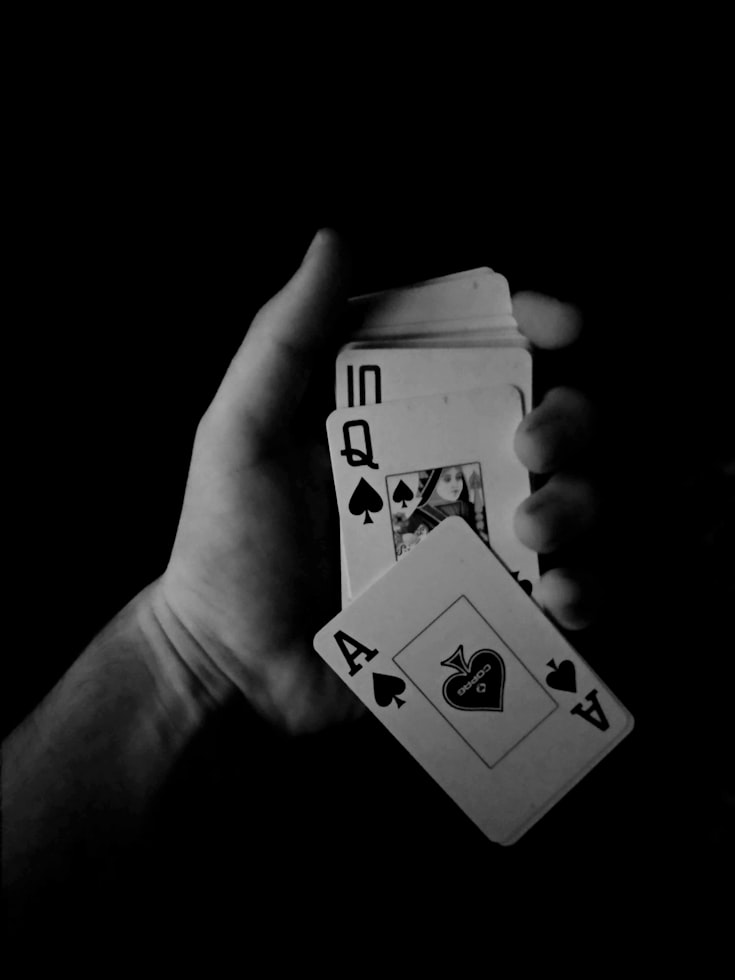
The emotional intelligence required in skill-based gambling is also noteworthy. Skilled players must remain composed under pressure, managing their emotions while adjusting their strategies as situations evolve. This blend of psychological resilience and strategic acumen not only enhances their chances of winning but also contributes to a more enjoyable gambling experience. Acknowledging the importance of skill underscores its role as a crucial component in determining long-term success in gambling pursuits.
The Balance of Luck and Skill in Different Games
The relationship between luck and skill varies significantly across different gambling activities. In games like slots and bingo, luck reigns supreme, as players have no control over the results. These games are purely chance-based, appealing to those who enjoy the thrill of potential winnings without engaging in complex strategies. The simplicity of such games often attracts casual players who seek entertainment rather than a serious gambling experience, as the odds are generally heavily skewed in favor of the house.
Conversely, games like poker and sports betting necessitate a strategic mindset and a comprehensive understanding of probabilities. In these instances, players often find themselves competing against one another rather than only against the house. This competitive environment allows for the skill of each player to shine through, where experience, knowledge, and the ability to make calculated decisions under pressure can significantly influence the outcome. The dynamic interplay of skill and luck in these contexts adds depth to the gambling experience, appealing to those who appreciate both strategy and chance.
Hybrid games such as blackjack further illustrate the balance of luck and skill. While players can employ strategies to improve their chances, the initial dealing of cards injects an element of chance into the mix. This combination creates a unique appeal, drawing in players who enjoy the unpredictability of luck while also relishing the intellectual challenge of strategic play. Understanding how luck and skill interact in various games can enhance a player’s appreciation for the complexities of gambling.
The Psychological Aspect of Gambling
The psychological implications of luck and skill in gambling are profound and can significantly influence players’ behaviors and experiences. Cognitive biases, such as the “gambler’s fallacy,” can lead individuals to misinterpret the role of luck in their outcomes. For example, players may believe that a series of losses increases the likelihood of a win in games of chance. This misunderstanding can skew their betting strategies and lead to poor decision-making, ultimately affecting their overall gambling success.
Additionally, the thrill of winning, even when attributed to luck, creates a powerful feedback loop that keeps players engaged in gambling activities. The emotional highs from wins can overshadow logical reasoning, making it difficult for individuals to recognize when they are on losing streaks or when they should adjust their strategies. Awareness of these psychological triggers can empower gamblers to make more informed choices and foster a healthier relationship with gambling, helping them to avoid the pitfalls of emotional decision-making.
Furthermore, the social dynamics surrounding gambling can shape perceptions of luck and skill. Players often share stories of luck and memorable wins, which can reinforce the notion that luck is the primary determinant of success. This narrative can lead to a culture that romanticizes luck, potentially influencing novice players who may rely on anecdotal evidence rather than a balanced understanding of both luck and skill. Cultivating an awareness of these social influences can help players make more rational decisions in their gambling activities.
Conclusion: Finding the Right Approach to Gambling
Understanding the impact of luck versus skill in gambling is essential for both casual and serious players. Recognizing when to rely on skill and when to accept the randomness of luck can significantly affect a gambler’s overall experience and outcome. With the right mindset, players can navigate the complexities of gambling while balancing the excitement of chance with the satisfaction of strategic play, allowing them to enjoy the process while maintaining a realistic view of their potential outcomes.
As the gambling landscape continues to evolve with advancements in technology and the introduction of new games, the importance of educating oneself on both elements of luck and skill will only grow. Players who dedicate time to understanding these dynamics will likely find greater enjoyment in their gambling experiences, ultimately enhancing their potential for success. This knowledge can empower players to approach gambling with a balanced perspective, appreciating both the thrill of chance and the satisfaction of skilled play.
For those looking to delve deeper into the fascinating world of gambling, understanding the balance between luck and skill is a valuable first step. Engaging with comprehensive resources can provide crucial insights and support in navigating this complex landscape responsibly. By equipping themselves with knowledge, players can enhance their gambling experiences while making informed choices that consider both the unpredictable nature of luck and the strategic elements of skill.